
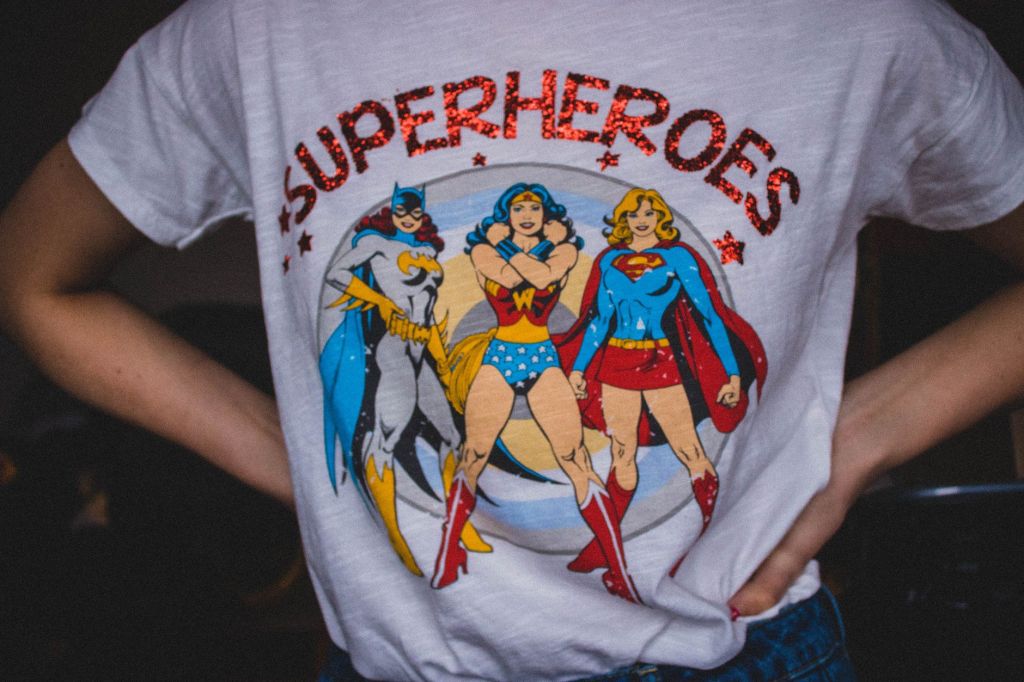
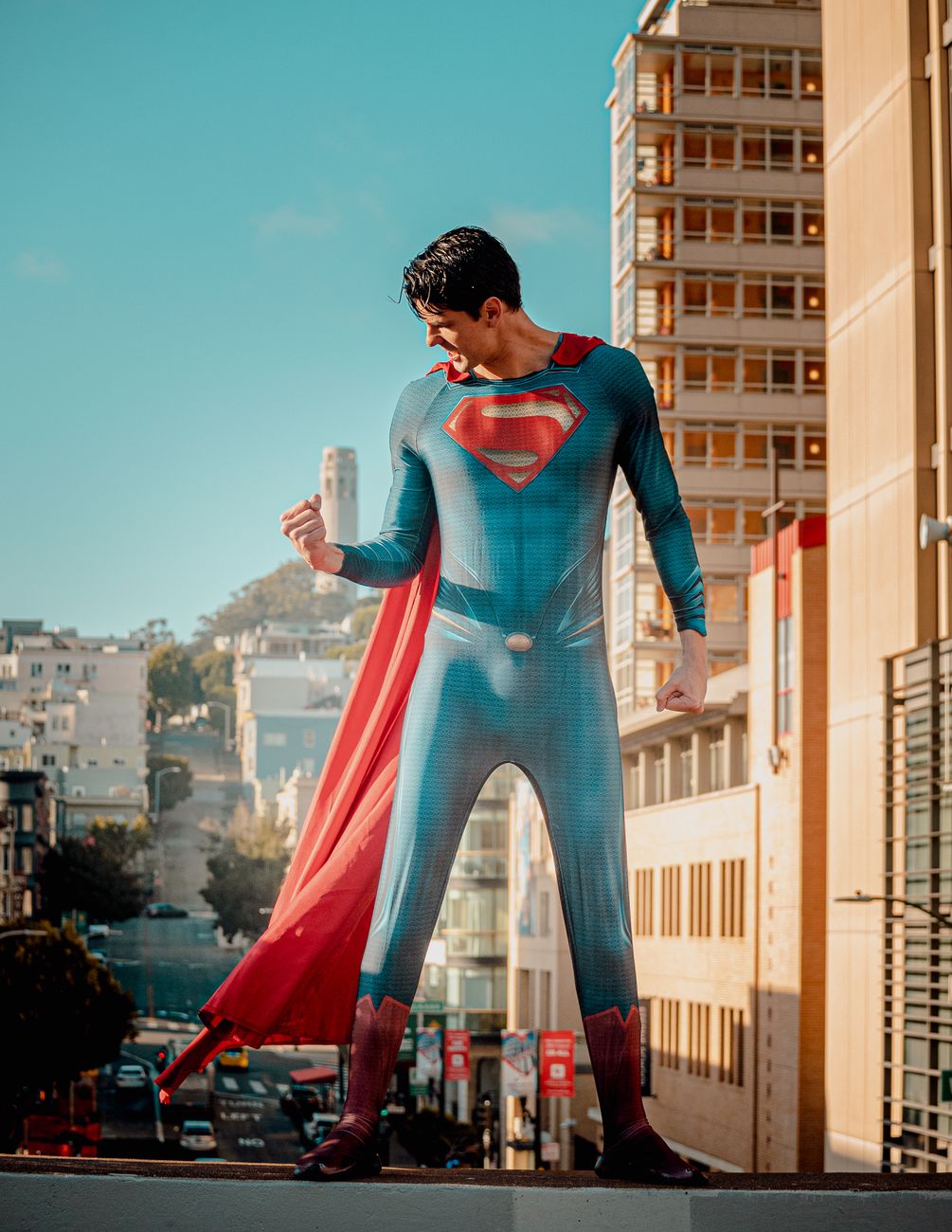
Both Superman and Spider-Man are known for helping and protecting others, aided by another commonality: their superhuman strength. Where the superheroes differ, according to Google Gemini, is a few personality traits.
Superman: known for invulnerability, restraint, optimism, and humility.
Spider-Man: known for being a relatable Everyman with struggles, and for his indomitable will, wisecracking humor, and friendly neighborhood persona.
It’s not surprising that Superman debuted in comic books in 1933 (Gemini tells us ’30s ethos includes quiet dignity and composure), while Spider-Man came along in 1962, in an era of anti-authoritarianism and freedom of expression. The traits align with their times.


What about now, dear reader? What do you think of as hallmark qualities of the last decade? Back to Gemini, whose list includes these: mental health awareness, radical authenticity, anti-perfectionism, autonomy, and rejection of “gatekeeping” institutions. Dr. Deadly will distill this down to: understand yourself, be yourself, and don’t let anyone count you out.
Isn’t this great for crime fiction? This beloved genre has always made space for the everyday hero, but, just as Superman and Spider-Man reflected their times, today’s crime fiction protagonist-heroes continue to expand to even greater depths and dimensions.

This topic came to mind after Dr. Deadly’s most recent read: Death in the Family, the first novel in Tessa Wegert’s Shana Merchant series. We learn at the start that Merchant has a new job after time out for recovery from a traumatic experience working for the NYPD. She’s an investigator in the Thousand Islands region of New York, where there’s little chance of life-threatening – and psyche-shattering – events meeting her again.
But even strong odds fall short of a guarantee. Merchant is called out in a storm to a private family island where a man is missing, there’s evidence of bloodshed, and each hour ushers in new threats to those left behind, Merchant included.
There’s a brink-of-combustion feeling that pervades the novel; to Dr. Deadly, it emanates both from the cast of family characters and from within Merchant herself, as she wrestles with the present situation and weight from her past.
That wrestling is rawer and messier than in the original Spider-Man days, and is foreign to the culture of Superman. Merchant being herself and coming to better understand herself complicates her job, and her refusal to be counted out ups the stakes of the story. It’s stressful at points to see Merchant lose her balance, but, for Dr. Deadly, this makes the novel’s – and Merchant’s – final resolution that much more meaningful, and more personal, to experience.

What do you think, dear reader? Does the description of the identity shift from Superman to Spider-Man resonate? And do you think there was farther to go in the evolution toward a more authentic, multi-dimensional protagonist-hero? One who struggles but arrives at a place where, in helping and protecting themselves, they deepen their ability to help and protect others?




Leave a comment