

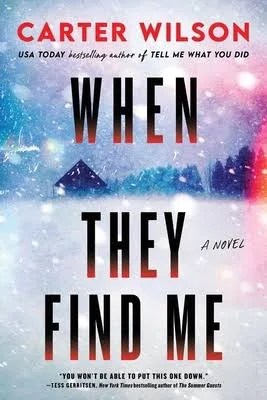
I just finished a thriller with a gripping premise: a woman with deadly secrets is taken hostage by home invaders…who invaded the wrong house. The setup and page-by-page tension are enough, all by themselves, to carry the story.
And then. This thriller – Carter Wilson’s new release, When They Find Me, goes above and beyond. It delivers a twist that’s one of the best I’ve experienced.
I’m here to break down the why. (Without spoilers!)
Twists are where it’s at. The device isn’t new to crime fiction, but the value placed on twists has rated sky-high on the thrill-o-meter since Gillian Flynn’s Gone Girl in 2012 and the ascendancy of domestic psychological thrillers.
The hallmark of the twist: it’s an unexpected story development that makes the reader reevaluate what they thought they knew. The paradox is that it’s both surprising and inevitable. You don’t see it coming, but once it smacks you in the face, you look back and spot the breadcrumbs, and it all makes logical sense.

This all sounds very brain-teasing. We might even expect twists now, so we get to hunt for clues along the way. And then, when the twist is revealed, we connect those dots in retrospect, and it’s a gratifying exercise. The visceral punch comes from the shock of the reveal. So it’s a fulfilling mind-body experience. Remember what it felt like to learn Amy Dunne’s secret in Gone Girl, and then look back and rethink everything?
And then along comes a twist like When They Find Me‘s. I spent some satisfying brain-teasing time analyzing why this twist felt more powerful than most.
It came down to the emotional impact of the content of the twist. The details of the twist itself touched me. That’s separate from the emotional impact of the well-crafted surprise that defines all good twists.
After I hit the twist in When They Find Me, I realized I was having something more than the traditional twist experience. Yes, my understanding of the story turned sideways. Yes, there was shock and awe that my mind had been bent. But I also noticed I felt more – more deeply, more sympathetically – for its characters. Gone Girl‘s twist gave me stronger feelings about its characters (how about that Amy Dunne!)…but feeling more deeply for characters after a twist is a noteworthy difference.

The mind-bending aspect of the twist had me staring at the wall, but the new emotional framing of the story, and the emotions it evoked in me, is why I now feel attached to When They Find Me and its characters.
Imagine this version of Gone Girl: we learn Amy’s secret, and the next twist is that Nick Dunne knew it all along, but couldn’t stop her at first because he grew up feeling powerless. I can speak only for my own reactions, but I think adding more of each character’s unique psychology to the twist would have driven the story and its characters even further under my skin.
For anyone out there reading and writing twists, I hope you’ll be intrigued by considering this extra dimension. The mind-bending experience of the twist is a must. An emotional deepening by that twist has vast potential for increasing the power of the story.
When They Find Me is a fantastic example. In the opinion of your crime fiction therapist, dear reader, this new release puts the psychological in psychological thriller.




Leave a Reply