

Dr. Deadly heard Jordan Harper’s name everywhere recently. Enough to procure and read Harper’s latest book, A Violent Masterpiece, within days. No spoilers here! But Dr. Deadly plunged headlong into a depraved LA underworld stripped of safety, or any intended exit for the initiated.

The novel centers on three main characters, all in the orbit of a powerful group of men who clearly aren’t saints. Early in the novel, each of the three learns the reality is far worse than expected; the group protects a heinous, unidentified killer who targets local young women, and is sure to strike again.
We follow the three antiheroes – for they are depicted as flawed and/or morally gray characters – as they alternately keep their heads down, decide to sound alarms, and deal with fallout from opposing the power brokers. Their motives and their moral dilemmas add to the weight of the novel. While we wonder who the murderer is and fear for future victims, we are most invested in and focused on the experience of the three main characters.
In an interview on Hachette Book Group’s Novel Suspects site, Jordan Harper said, “The people I’m most interested in…are not driven by avarice or cruelty…My characters tend to be the people in the middle, who might have been capable of being good if they had ever been asked to be in a meaningful way. But instead, they live in the belly of the beast…”
People in the middle. Not the original drivers of cruelty, or the initial targets. They may also be called…bystanders.
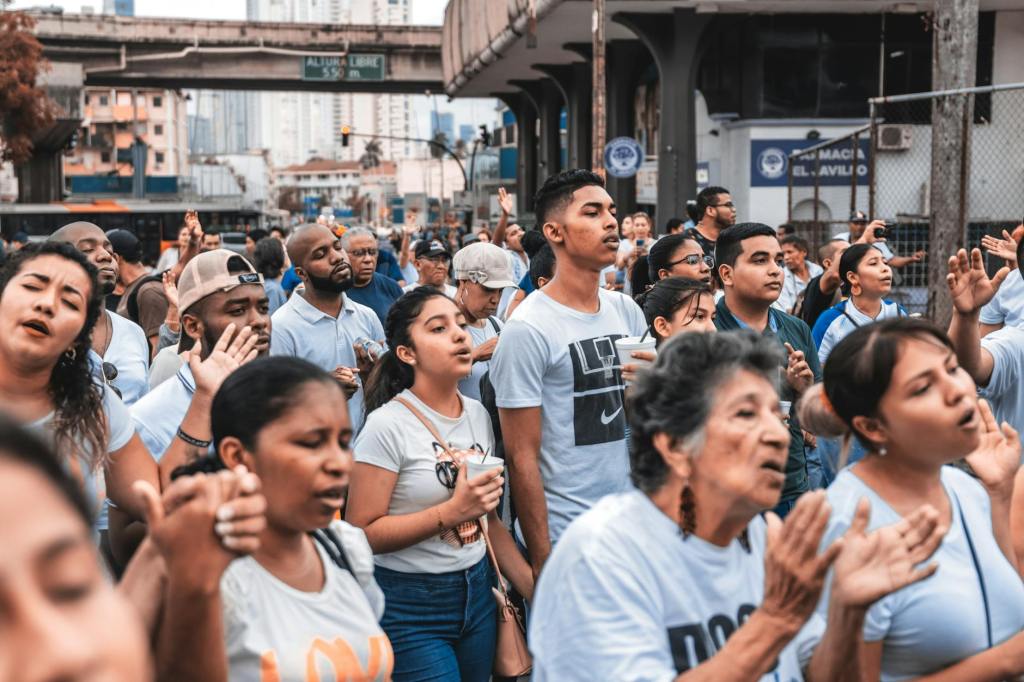
The Bystander Effect
What does psychology tell us of bystanders? The 1964 murder of Kitty Genovese, reported to occur within earshot of 38 people who did nothing to help, led to study of the bystander effect, a term coined by social psychologists Bibb Latané and John Darley. It was later found that at least a couple of neighbors did try to help Genovese, but research confirmed that people often are, in fact, less likely to help in emergencies when others are there.
Latané and Darley described two pillars of the bystander effect. First: the more people who are present, the less responsibility each individual feels. Second: people will be influenced by others around them, taking cues about whether to act or not. Combined, the product can be group inertia.
The antidote is something people are now trained to do in emergency situations. Call on an individual. Look up from the person bleeding on the ground, make eye contact with a single bystander, and tell them to call 911. Tap someone else to get first aid supplies. And so on.
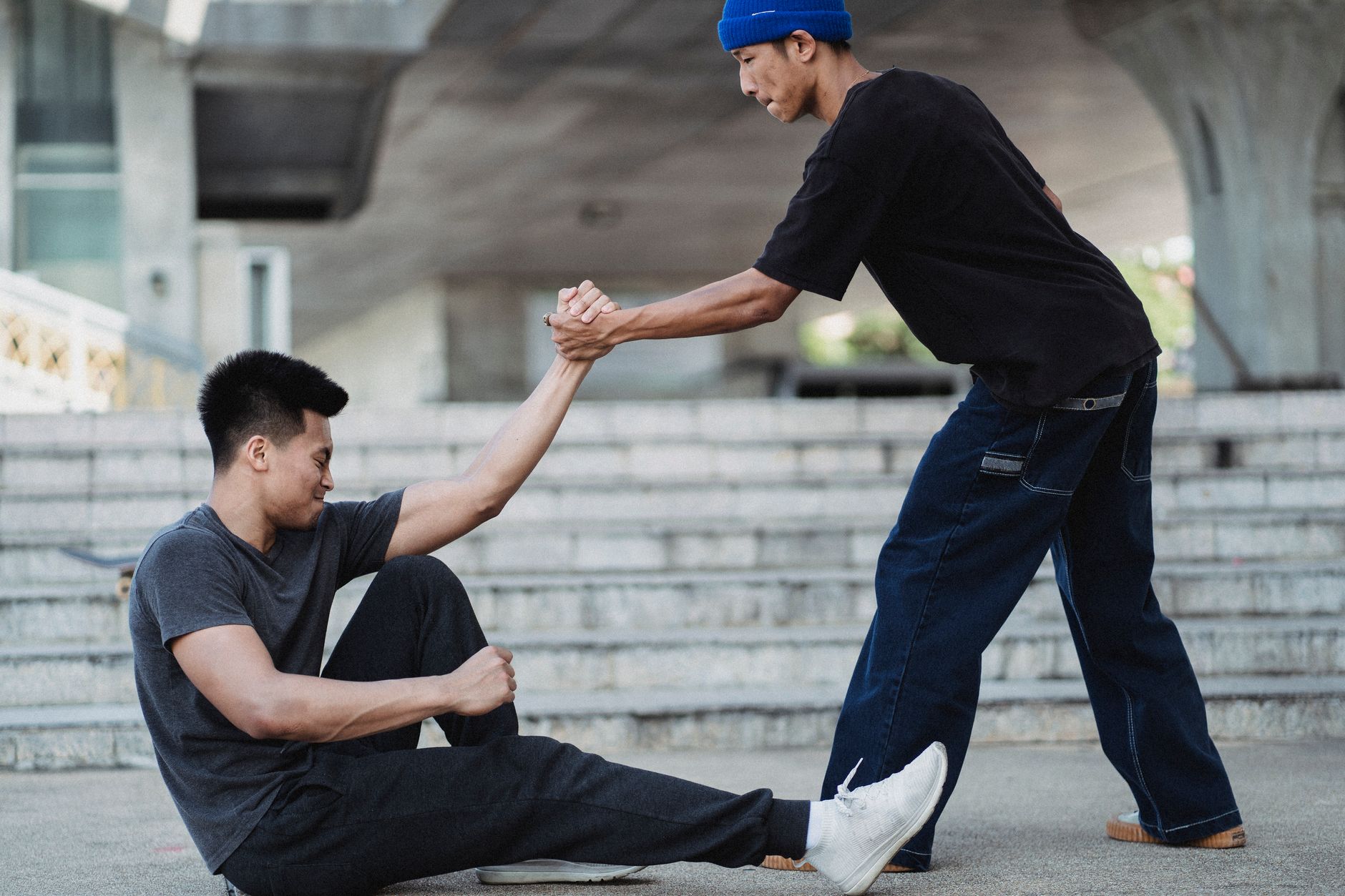
Recall Harper’s comment about his characters: people who might have been capable of being good if they had ever been asked to be in a meaningful way. Is that a lens through which to consider A Violent Masterpiece?
The antiheroes of the novel know they are merely part of the crowd orbiting the power brokers; they’re already numb to some of the antisocial behaviors they witness, likely because of those pillars of the bystander effect. But…then, when more heinous crime is revealed and there’s more reason to fear and to protect themselves, they also realize they have specific information that uniquely positions them to help. And they answer that call.
Can you think of other novels that hinge on the activation of bystanders who might have been part of the non-acting crowd, if they hadn’t been chosen in some way to step up? Like Harper, do you have an interest in stories about the people in the middle, or do you find direct hero-villain conflict more compelling? Tell Dr. Deadly your thoughts!



Leave a Reply