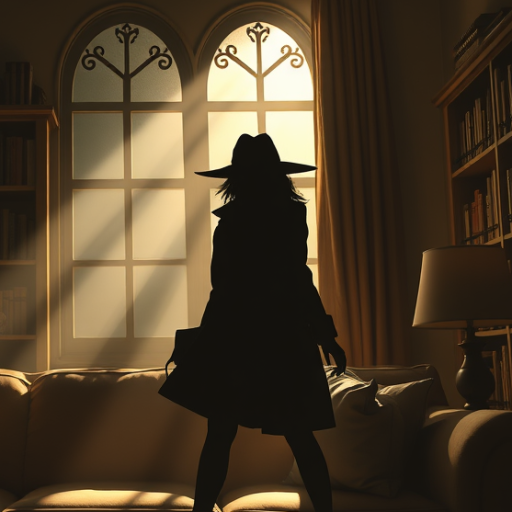
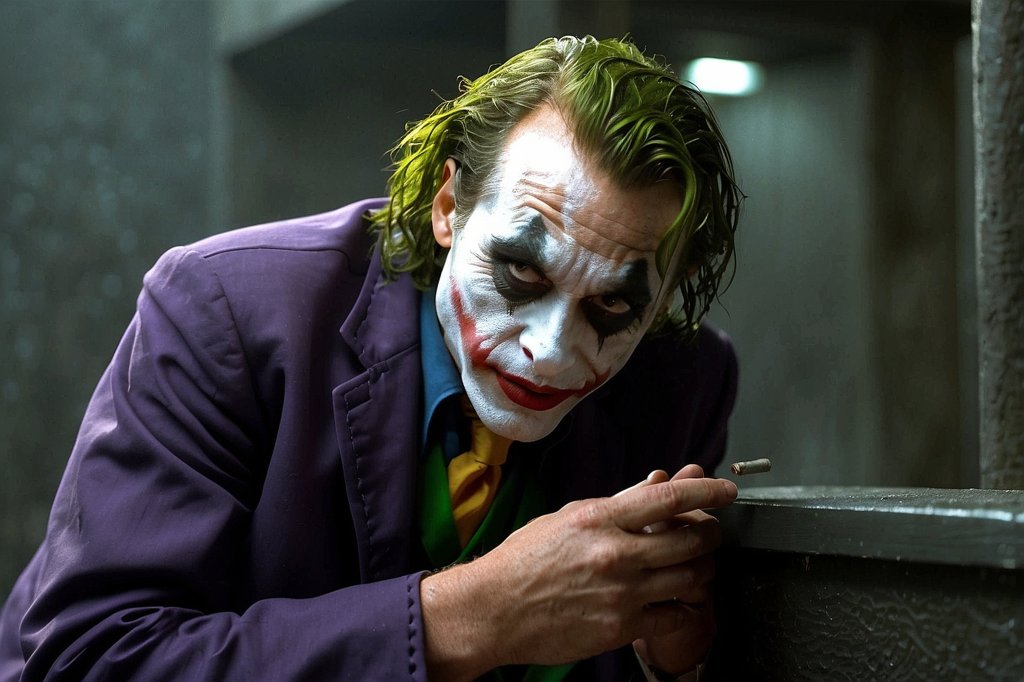
Does the title send a chill down your spine? Or get your blood pumping? And do any of these personality labels come to mind when you meet characters in crime fiction?
Crime fiction spotlights the abnormal. We expect characters with abnormal personalities and behaviors to live among the pages. Bring on your serial killers, psycho stalkers, and evil geniuses, and watch the horrors unfold.
But…Dr. Deadly will raise the idea of spectrums.
Try to think of something that exists without being on a spectrum. You test either positive or negative for the flu; there’s no in-between! True, but once a virus is present in your system, there is a range of viral load, which tends to drive the severity of your symptoms. And for recognized mental health issues, just like for physical ones, the severity matters.
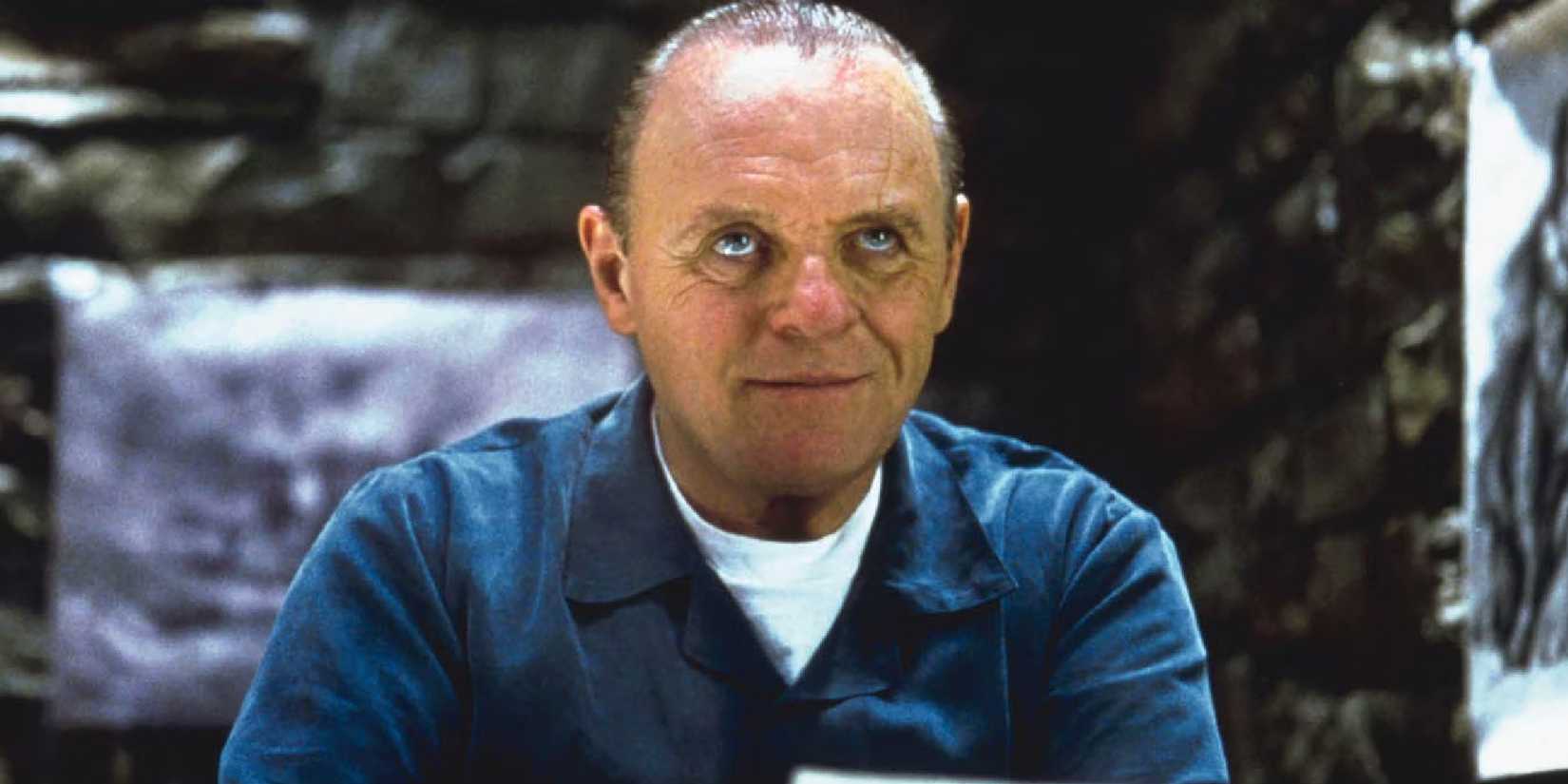
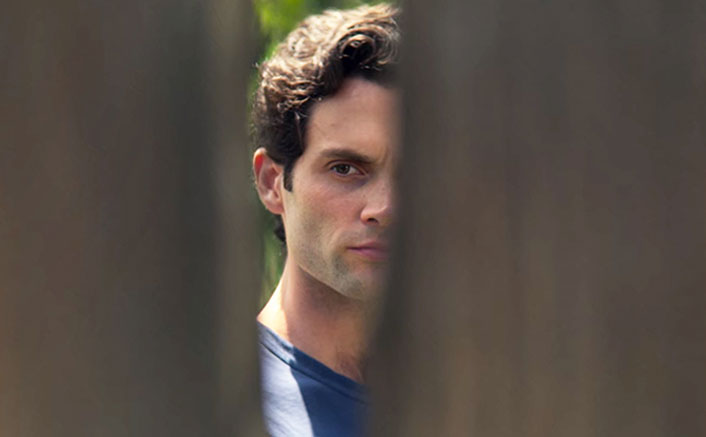
In crime fiction – both in print and on screen – Hannibal Lecter, Joe Goldberg and Amy Dunne aren’t the only ones with personalities serving the story. Readers and writers who see the value of less extreme points on the spectrum may find richer engagement with characters and plot.

Psychopaths and Sociopaths: One-Size-Fits-All?
Consider the worst-of-the-worst: a remorseless, bloodthirsty psychopath like Lecter. It’s hard to get further out on the spectrum.
The historic standard for identifying a psychopath is the Hare Psychopathy Checklist. There are now 20 items, each given an intensity score of 0 to 2, for symptoms like pathological lying, lack of remorse, superficial charm, and parasitic lifestyle. A score of 30 suggests a psychopath. Physical violence can be part of the profile, but isn’t a requirement. Most psychopaths do not look like Hannibal Lecter.
What does a more moderate psychopath look like, and what value do they add to crime fiction?
Have you also heard the term sociopath? Definitions vary. On average, a sociopath is described as a “psychopath-lite”: less stone-cold and calculating, more emotional and impulsive. What they share is some lack of empathy and a lack of regard for social norms, which underlies their tendency toward manipulative and possibly violent behavior.
Dr. Deadly loves a good crime show, most recently Netflix’s The Beast in Me, starring Claire Danes and Matthew Rhys. No spoilers here; it’s safe to say at least one of the cast is revealed to be a psychopath, while another approaches the sociopathic level of self-interest. For a viewer who understands a “psychopath-lite” character can exist, they may spot the signs and predict the unique choices that character might make. For a viewer – or a reader – that insight pulls you deeper into the story.
Strange fact: “psychopath” and “sociopath” are no longer diagnoses in the American healthcare system. The closest is “Antisocial Personality Disorder” (ASPD). Considerable overlap exists, but ASPD criteria focus more on observable behaviors (law-breaking, lying for personal gain) than on hard-to-measure traits like lack of empathy and lack of emotional depth.

Narcissists: Their Nasty Little Cousins
Narcissism. The term is used freely – and negatively – in modern culture, but narcissistic tendencies are common in many people who don’t meet the criteria for the diagnosis. The spectrum concept applies here, too. And even those who do meet the diagnosis don’t display all the same symptoms, or the same severity.
Narcissists, sociopaths, and psychopaths can look similar. In a novel, a character might “borrow” his brother’s Ferrari for a date without asking, act like it’s his, and spend the cash he finds inside. Which profile fits, and why does it matter?
Narcissists and their antisocial cousins share grandiosity and a lack of regard for others. Their difference lies in the core reason for their bad behavior. Above all else, narcissists want admiration. The ego rules. For psychopaths and sociopaths, the antisocial aspect reigns. In therapist-speak, “antisocial” doesn’t mean they don’t like company. It means they don’t value social norms, and they act for selfish financial gain, social power, or personal thrill.
The joyriding brother could be feeding his narcissism, wanting to look like a big-shot and impress his date. He’ll have some convoluted justification for why he’s entitled to take the car. Or he could be satisfying an antisocial need to chase a thrill, or anger his brother, or get his date to do something he wants. He’ll take the car because he wants to and he can.
If you’re predicting how a story will progress, your sense of a character’s personality can guide your vision of what they’ll do, think, and feel. For a severe psychopath, sociopath, or even narcissist, this could involve murder and mayhem. The milder end of the spectrum could even – gasp! – look like a detective, amateur sleuth, or hero/heroine working to catch the enemy.
A question for you, dear reader: Does this post remind you of any characters you’ve met in novels? How do you feel about them? Share your thoughts below!






Leave a Reply